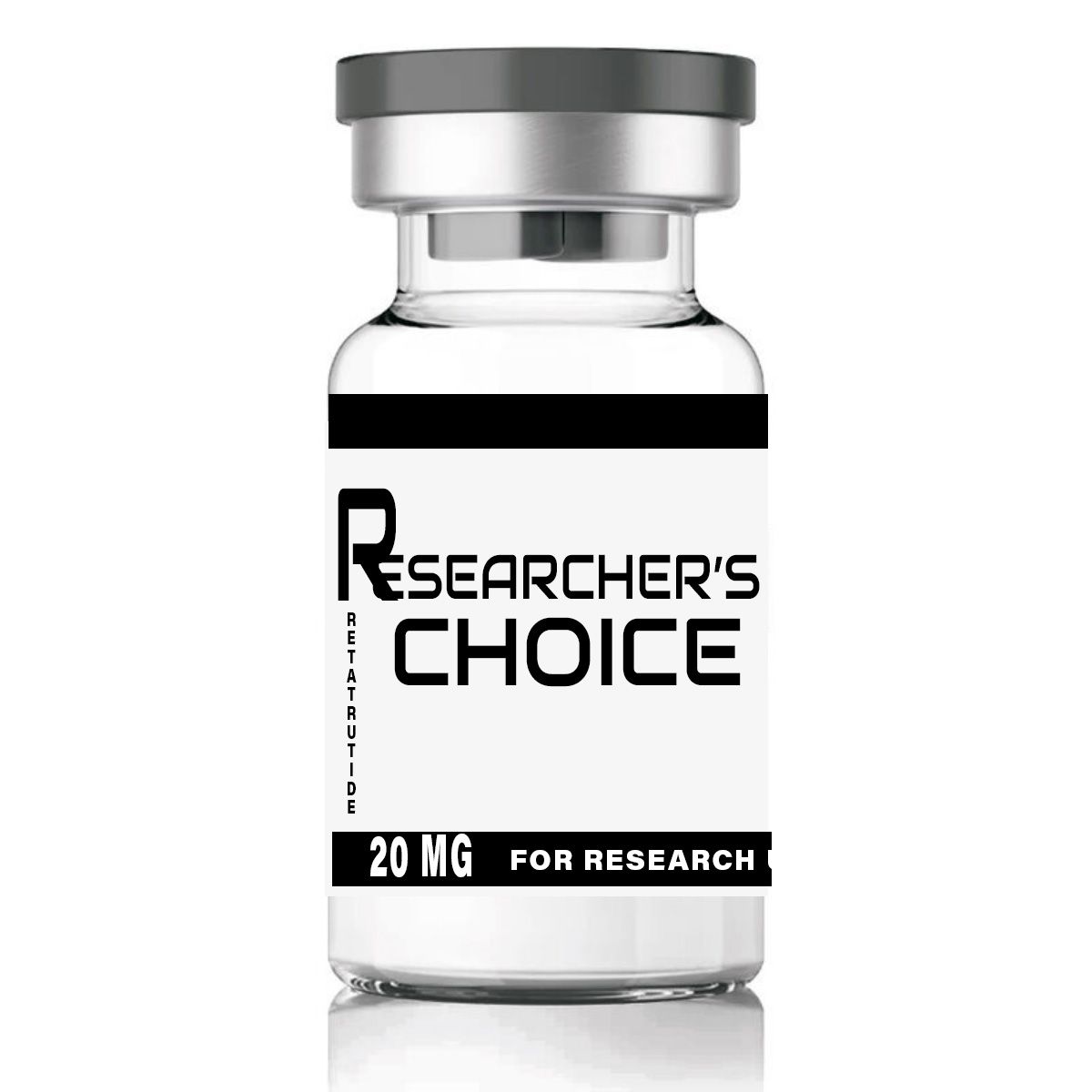
RETATRUTIDE 20MG KIT
$234.95
Estimated delivery time
Shipping: 1–2 days
Pickup: tomorrow, 10:30 AM–06:30 PM
In stock: 5 available
Save this product for later
Customer reviews
Reviews only from verified customers
No reviews yet. You can buy this product and be the first to leave a review.
Have questions?
RETATRUTIDE 20MG KIT
Product Details
Brand: PERFORMANCE PEPTIDES
KIT- INCLUDES 10MG VIAL , RECONSTITUTION WATER AND 8 SYRINGES
RETATRUTIDE (also known by its research code LY3437943) is an investigational peptide medication that acts as a triple-receptor agonist to treat obesity and type 2 diabetes. It is not yet approved by the FDA for any use, though it is in late-stage clinical trials.
HOW IT WORKS
Retatrutide is a "triple G" agonist, meaning it mimics the actions of three natural hormones in the body simultaneously:
GLP-1 (Glucagon-like peptide-1): Helps lower blood sugar, slow gastric emptying, and reduce appetite.
GIP (Glucose-dependent insulinotropic polypeptide): Also helps regulate blood sugar by promoting insulin release and contributes to appetite reduction.
Glucagon: Promotes the breakdown of stored fat for energy use, increasing energy expenditure.
This triple action distinguishes it from other weight loss drugs like semaglutide (Ozempic/Wegovy), which only targets GLP-1 receptors, and tirzepatide (Mounjaro/Zepbound), which targets GLP-1 and GIP receptors.
EFFICACY AND STATUS
Clinical trials have shown promising results, with participants experiencing an average weight loss of up to 24.2% over 48 weeks at the highest dose.
IMPORTANT CONSIDERATIONS:
Not FDA Approved: Retatrutide is still in Phase 3 clinical trials, led by Eli Lilly. Final approval is not expected until at least mid-to-late 2026 or early 2027.
Unregulated Online Sales: The FDA has warned against unapproved products sold online as "retatrutide peptide". These are unregulated research chemicals not intended for human use and can be unsafe and unreliable.
COMMON SIDE EFFECTS: The most common side effects reported in trials are gastrointestinal, including nausea, diarrhea, vomiting, and constipation.
PEPTIDES AREA NON-REFUNDABLE. PLEASE MAKE YOUR SELECTION CAREFULLY
While taking GLP-1 type medications, supplements are primarily used to prevent nutrient deficiencies caused by reduced food intake and to manage common side effects like muscle loss and constipation.
Muscle and Bone Maintenance
Rapid weight loss can lead to significant muscle and bone density loss, which these supplements aim to mitigate:
- Protein Powder: Essential to help meet daily protein goals when appetite is low. High-quality sources like Ora's So Lean & So Clean Plant Protein Powder or whey-based options like NutraBio Classic Whey are recommended.
- Creatine Monohydrate: Often suggested to help preserve lean muscle mass and support strength when combined with resistance training.
- Calcium and Vitamin D: Critical for maintaining bone density. Many experts recommend incorporating calcium into the diet, often paired with vitamin D3 for better absorption.
- HMB (Beta-hydroxy-beta-methylbutyrate): A metabolite of leucine that may help stimulate muscle protein synthesis and prevent muscle breakdown
Digestive Health and Side Effects
GLP-1s slow gastric emptying, which can cause constipation and nausea:
- Fiber: Soluble fiber like psyllium husk helps alleviate constipation. Common options include Metamucil or fiber gummies like VitaFusion Fiber Well.
- Magnesium: Often taken at night (specifically magnesium citrate or glycinate) to help soften stools and improve sleep.
- Probiotics: Strains like Lactobacillus and Bifidobacterium can support gut health and potentially improve stool frequency.
- Electrolytes: Important for maintaining hydration and mineral balance, especially if experiencing nausea or increased fluid loss
Essential Vitamins and Minerals
Because patients often consume significantly fewer calories, specific micronutrient gaps are common:
- Vitamin B12: Deficiencies can lead to fatigue and brain fog; supplementation is especially important if also taking metformin.
- Multivitamins: Acts as a "nutritional safety net" to fill broad gaps in vitamins A, C, E, and K.
- Iron: GLP-1 medications may reduce iron absorption, making supplementation necessary for some to prevent anemia.
- Omega-3 Fatty Acids (Fish Oil): Supports heart health, reduces inflammation, and may improve insulin sensitivity
You May Also Like
Display prices in:USD