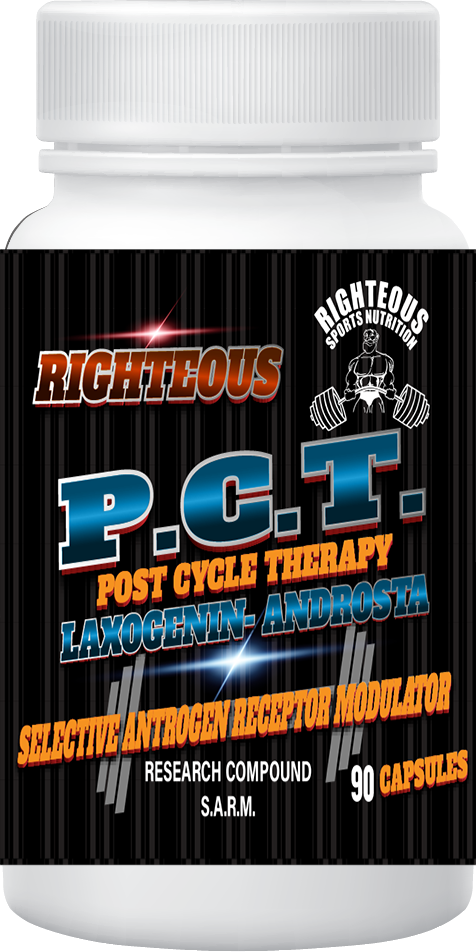
RIGHTEOUS PCT
$59.95
Estimated delivery time
Shipping: 1–2 days
Pickup: tomorrow, 02:00 PM–06:30 PM
In stock: 8 available
Save this product for later
Customer reviews
Reviews only from verified customers
No reviews yet. You can buy this product and be the first to leave a review.
Have questions?
RIGHTEOUS PCT
Product Details
Brand: RIGHTEOUS SPORTS NUTRITION
Laxogenin (and 5-alpha-hydroxy laxogenin) is a plant-derived compound marketed as a natural, non-hormonal anabolic supplement for increasing muscle strength and protein synthesis, often sourced from Smilax sieboldii. However, it lacks human clinical trials, is not approved by the FDA as a dietary ingredient, and is considered an unlawful supplement ingredient.
Purported Benefits & Mechanism
- Muscle Growth & Strength: Enhances muscle protein synthesis and promote nitrogen retention.
- Mechanism: It is believed to act as a plant brassinosteroid, potentially stimulating protein synthesis and reducing protein degradation.
- Alternative to Steroids: A "natural anabolic" that does not affect testosterone levels, separating it from typical androgenic
-
Side Effects & Safety
-
- Unknown Safety: There is no evidence from human studies to support its safety or effectiveness.
- Potential Risks: The FDA does not recognize it as a legitimate dietary ingredient. It may appear on labels of products that actually contain undisclosed and illegal performance-enhancing drugs (PEDs).
- Studies in Animals: Research has shown that 5\(\alpha \)-hydroxy-laxogenin does not exhibit anabolic effects in mammals; conversely, high doses in studies have shown potential for muscle atrophy in animal tests. [1, 2, 3, 4]
Legal Status & Sources- Legal Status: The FDA considers laxogenin-containing products to be illegal in dietary supplements.
- Athletic Bans: 5-alpha-hydroxy-laxogenin is on the Department of Defense (DoD) Prohibited Dietary Supplement Ingredients list.
- Sources: It is found in minute amounts in plants like Smilax sieboldii, Allium chinense, and Allium schoenoprasum. [1, 2, 3]
Disclaimer: Consult a healthcare professional before using any supplement, particularly those with limited safety data.
Arimistane (Androsta-3,5-diene-7,17-dione) is a suicide aromatase inhibitor (AI) marketed in fitness supplements to lower estrogen, reduce cortisol, and raise testosterone levels. It is used to increase muscle hardness and definition, but it lacks strong scientific evidence for safety or efficacy, with potential risks including liver damage and prohibited status in sports
Key Details
- Mechanism: It acts as a suicide inhibitor, meaning it binds permanently to the aromatase enzyme, preventing estrogen rebound.
- Uses: Commonly used in post-cycle therapy (PCT) or for cutting to get a "dry and hard" look.
- Side Effects: Potential, though unconfirmed, side effects include liver and kidney damage, hair loss, and behavioral changes. Low estrogen symptoms can occur with excessive use.
- Legal/Regulatory Status: While available over-the-counter (OTC) in many, it is listed as a prohibited substance by the World Anti-Doping Agency (WADA) and labeled by the FDA as not a dietary ingredient.
You May Also Like
Display prices in:USD