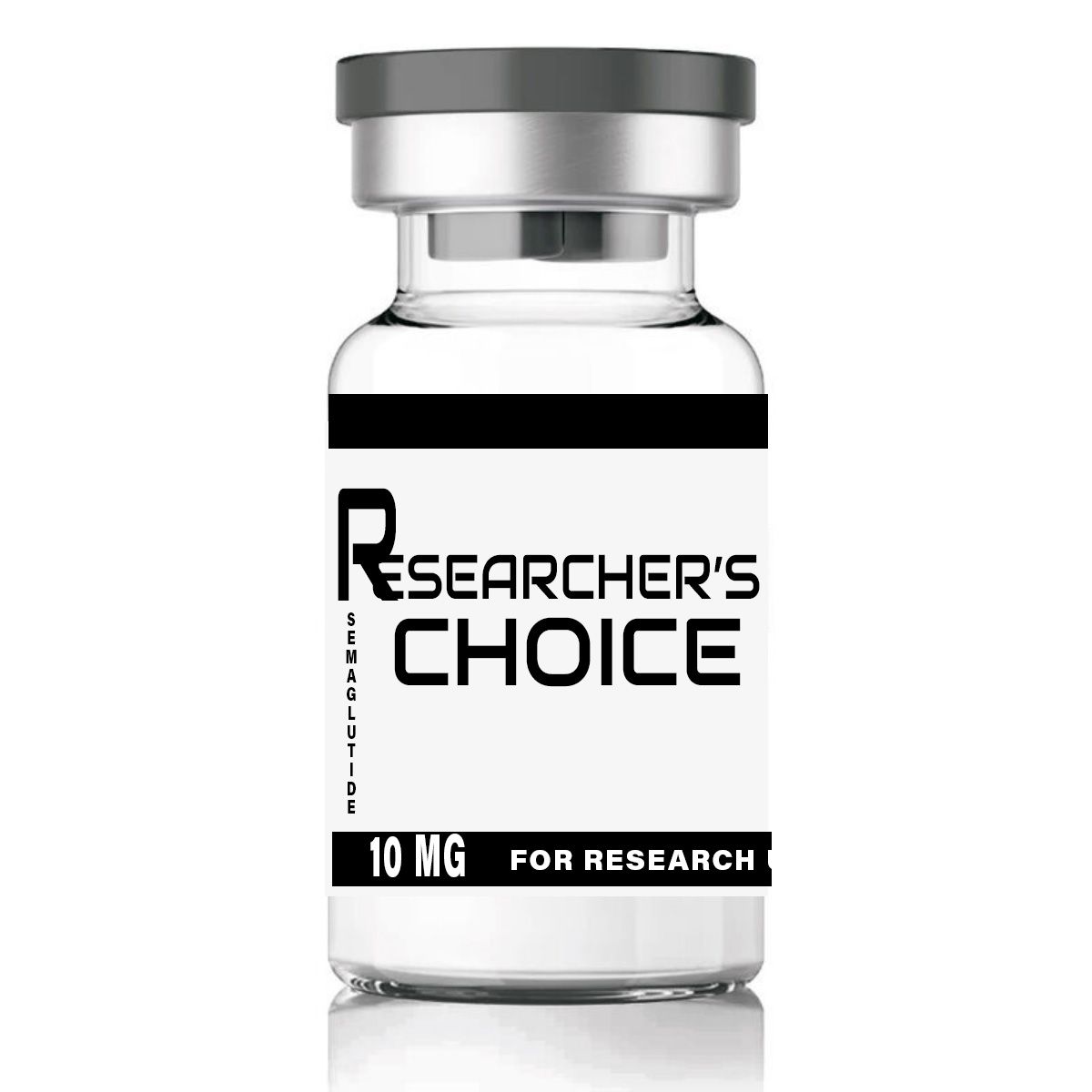
SEMAGLUTIDE (GLP-1) 10MG KIT
$159.95
Estimated delivery time
Shipping: 1–2 days
Pickup: today, 06:20 PM–06:30 PM
In stock: 3 available
Save this product for later
Customer reviews
Reviews only from verified customers
No reviews yet. You can buy this product and be the first to leave a review.
Have questions?
SEMAGLUTIDE (GLP-1) 10MG KIT
Product Details
Brand: RIGHTEOUS SPORTS NUTRITION
SEMAGLUTIDE 10mg KIT INCLUDES:
SEMAGLUTIDE 10mg VIAL 2mL RECONSTITUTION WATER, AND 4-8 INSULIN SYRINGES
ONE 10mg VIAL (100 UNITS) = 4 TO 8 DOSES
(25 UNITS EACH DOSE/ 2.5mg) OR (50 UNITS EACH DOSE/ 5mg)
ONE-TWO MONTHS SUPPLY – 1 DOSE/WEEK (BASED ON DESIRED DOSAGE)
SEMAGLUTIDE is a synthetic peptide and a glucagon-like peptide-1 (GLP-1) receptor agonist, which is an FDA-approved medication used for the treatment of type 2 diabetes and chronic weight management. It mimics the naturally occurring GLP-1 hormone in the body to regulate appetite, blood sugar levels, and insulin secretion.
MECHANISM OF ACTION: Semaglutide works by activating GLP-1 receptors in the body. This action slows gastric emptying (how quickly food leaves the stomach), signals the brain's appetite control center to reduce hunger and cravings, and increases insulin production when blood sugar is high. This helps individuals feel full longer, reduce calorie intake, and improve glycemic control.
APPROVED BRAND NAMES: Semaglutide is the active ingredient in three FDA-approved medications, available by prescription only:
Ozempic®: An injectable (once weekly) for managing type 2 diabetes.
Wegovy®: An injectable (once weekly) and oral tablet (daily) for chronic weight management in adults with obesity or those who are overweight with a weight-related medical condition.
Rybelsus®: An oral tablet (daily) for managing type 2 diabetes.
USAGE AND BENEFITS: When used in conjunction with diet and exercise, semaglutide can lead to significant weight loss and a reduced risk of major cardiovascular events such as heart attack, stroke, or death in patients at high risk.
ADMINISTRATION: It is primarily administered via subcutaneous injection, but an oral formulation is also available.
Glucagon-like peptide-1 (GLP-1), a hormone that plays a key role in regulating blood sugar and appetite. It can also refer to GLP-1 receptor agonists (GLP-1RAs), a class of drugs that mimic the effects of GLP-1, used to treat type 2 diabetes and, more recently, for weight management
Naturally Occurring Hormone:
GLP-1 is a naturally produced hormone in the body that helps regulate blood sugar levels, appetite, and digestion
When blood sugar rises after eating, GLP-1 is released from the gut. It stimulates the pancreas to produce more insulin, which helps lower blood sugar, and also slows down gastric emptying, making you feel fuller for longer
How do GLP-1 agonists work?
To understand how GLP-1 agonists work, it helps to understand how the naturally occurring GLP-1 hormone works.
GLP-1 is a hormone that your small intestine makes. It has several roles, including:
- Triggering insulin release from your pancreas: Insulin is an essential hormone that allows your body to use the food you eat for energy. It lowers the amount of glucose (sugar) in your blood. If you don’t have enough insulin, your blood sugar increases, leading to diabetes.
- Blocking glucagon secretion: Glucagon is a hormone your body uses to raise your blood sugar levels when necessary. So, GLP-1 prevents more glucose from going into your bloodstream.
- Slowing stomach emptying: Slower digestion means that your body releases less glucose (sugar) from the food you eat into your bloodstream.
- Increasing how full you feel after eating (satiety): GLP-1 affects areas of your brain that processes hunger and satiety.
GLP-1 agonist medications work by mimicking this hormone. In medication terms, an agonist is a manufactured substance that attaches to a cell receptor and causes the same action as the naturally occurring substance. In other words, GLP-1 medications bind to GLP receptors to trigger the effects (or roles) of the GLP-1 hormone. The higher the dose of the GLP-1 agonist, the more extreme the effects.
If you have Type 2 diabetes, the medications help manage your blood sugar by triggering your pancreas to release more insulin. The slowed digestion also helps decrease blood sugar spikes.
The satiety effect of GLP1-agonists reduces your food intake, appetite and hunger. These combined effects often result in weight loss.
Risks / Benefits
What are the potential benefits of GLP-1 agonists?
Other than lowering blood sugar levels and reducing weight, studies show that GLP-1 agonists may have other potential benefits, like:
- Lowering blood pressure.
- Improving lipid disorders.
- Improving fatty liver disease.
- Reducing your risk of heart disease and kidney disease.
- Delaying the progression of diabetes-related nephropathy.
What are the side effects of GLP-1 agonists?
The most common side effects of GLP-1 agonists include:
- Loss of appetite.
- Nausea.
- Vomiting.
- Diarrhea.
These side effects are more likely to happen when you start the medication or if you’re taking an increased dose.
Other side effects can include:
- Dizziness.
- Mild tachycardia (increased heart rate).
- Infections.
- Headaches.
- Indigestion (upset stomach).
You may also have temporary mild itchiness and/or redness on your skin at the site of the injections.
Severe — but rare — side effects can include:
- Pancreatitis.
- Medullary thyroid cancer.
- Acute (sudden) kidney injury.
- Worsening diabetes-related retinopathy.
PEPTIDES AREA NON-REFUNDABLE. PLEASE MAKE YOUR SELECTION CAREFULLY
While taking GLP-1 medications, supplements are primarily used to prevent nutrient deficiencies caused by reduced food intake and to manage common side effects like muscle loss and constipation.
Muscle and Bone Maintenance
Rapid weight loss can lead to significant muscle and bone density loss, which these supplements aim to mitigate:
- Protein Powder: Essential to help meet daily protein goals when appetite is low. High-quality sources like Ora's So Lean & So Clean Plant Protein Powder or whey-based options like NutraBio Classic Whey are recommended.
- Creatine Monohydrate: Often suggested to help preserve lean muscle mass and support strength when combined with resistance training.
- Calcium and Vitamin D: Critical for maintaining bone density. Many experts recommend incorporating calcium into the diet, often paired with vitamin D3 for better absorption.
- HMB (Beta-hydroxy-beta-methylbutyrate): A metabolite of leucine that may help stimulate muscle protein synthesis and prevent muscle breakdown
Digestive Health and Side Effects
GLP-1s slow gastric emptying, which can cause constipation and nausea:
- Fiber: Soluble fiber like psyllium husk helps alleviate constipation. Common options include Metamucil or fiber gummies like VitaFusion Fiber Well.
- Magnesium: Often taken at night (specifically magnesium citrate or glycinate) to help soften stools and improve sleep.
- Probiotics: Strains like Lactobacillus and Bifidobacterium can support gut health and potentially improve stool frequency.
- Electrolytes: Important for maintaining hydration and mineral balance, especially if experiencing nausea or increased fluid loss
Essential Vitamins and Minerals
Because patients often consume significantly fewer calories, specific micronutrient gaps are common:
- Vitamin B12: Deficiencies can lead to fatigue and brain fog; supplementation is especially important if also taking metformin.
- Multivitamins: Acts as a "nutritional safety net" to fill broad gaps in vitamins A, C, E, and K.
- Iron: GLP-1 medications may reduce iron absorption, making supplementation necessary for some to prevent anemia.
- Omega-3 Fatty Acids (Fish Oil): Supports heart health, reduces inflammation, and may improve insulin sensitivity
You May Also Like

Display prices in:USD