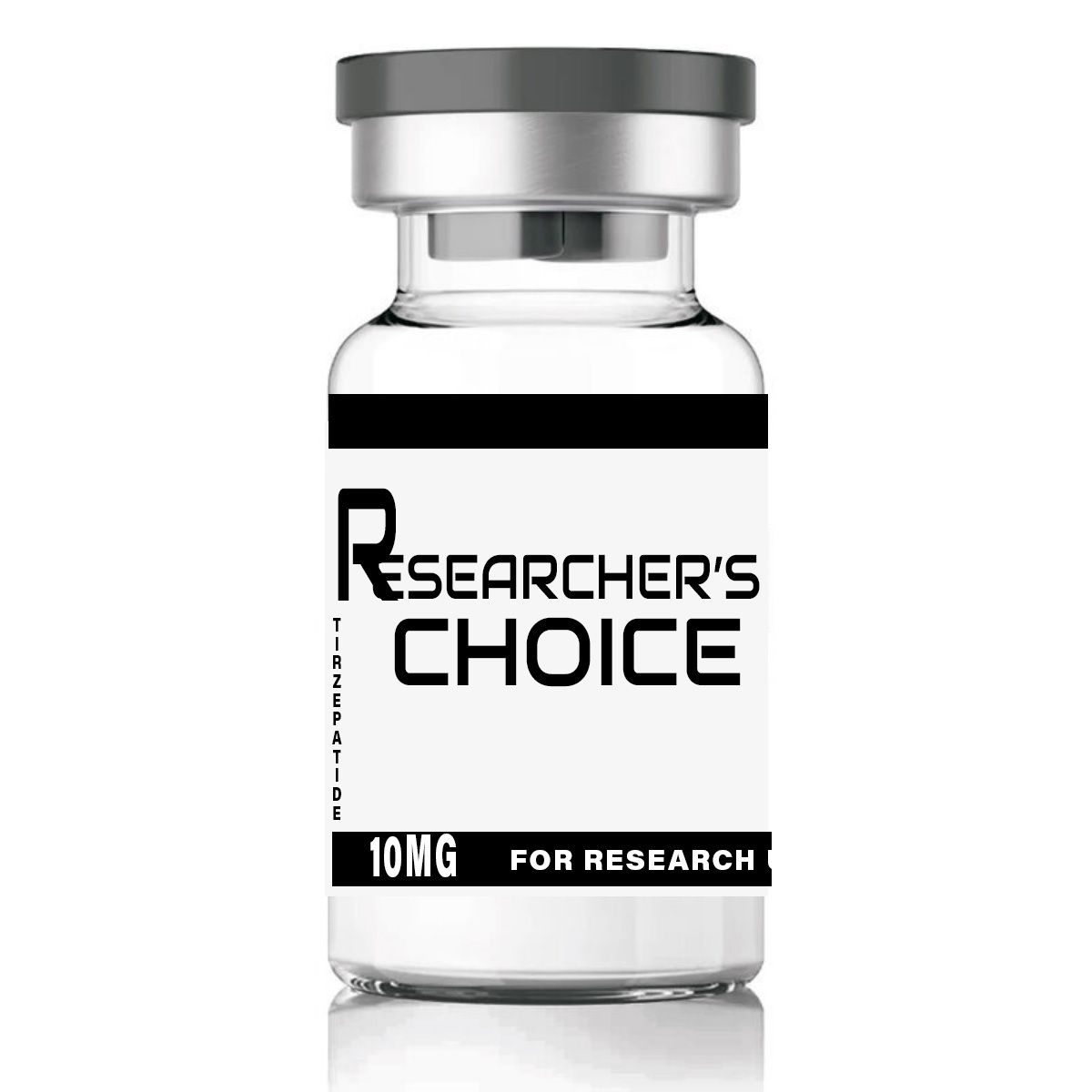
TIRZEPATIDE 10MG KIT
$129.95
Estimated delivery time
Shipping: 1–3 days
Pickup: today, 05:50 PM–06:30 PM
In stock: 4 available
Save this product for later
Customer reviews
Reviews only from verified customers
No reviews yet. You can buy this product and be the first to leave a review.
Have questions?
TIRZEPATIDE 10MG KIT
Product Details
Brand: PERFORMANCE PEPTIDES
TIRZEPATIDE 10mg KIT INCLUDES:
TIRZEPATIDE 10mg VIAL, 2mL RECONSTITUTION WATER, AND 4 INSULIN SYRINGES
ONE 10mg VIAL (100 UNITS) = 4 DOSES (2.5mg / 25 UNITS EACH DOSE) 1 MONTH SUPPLY –
1 DOSE/WEEK (2.5mg / 25 UNITS)
WHAT IS TIRZEPATIDE?
TIRZEPATIDE (Pronounced Ter-zep-uh-tide) is a once-weekly injectable dual glucagon-like peptide 1 (GLP-1) receptor and glucose-dependent insulinotropic polypeptide (GIP) receptor agonist. It works by increasing insulin production and lowering glucagon secretion as well as targeting areas in the brain that regulate appetite and food intake. A small change in the molecule allows the drug to last weeks in our bodies rather than the natural version our bodies make, which lasts minutes.
HOW DOES TIRZEPATIDE WORK?
Delays how quickly our stomachs digest food which leads to a feeling of fullness and satisfaction with smaller meal sizes, decreased appetite and cravings, absorbing nutrients.
Acts on 2 different receptors, which allows for lower blood sugars, in part by reducing the production of sugar in the liver.
Stimulates insulin production and decreases glucagon production in the liver which lowers blood sugar without an increased risk of hypoglycemia.
It appears to affect leptin, the hormone that tells you that you are full, and ghrelin, the hormone that tells you that you are hungry.
GIP increases energy expenditure, which increases metabolism, resulting in weight loss.
In a 2022 study, participants lost an average of 22% of their body weight.
POTENTIAL HEALTH BENEFITS
IMPROVED BLOOD SUGAR CONTROL: Tirzepatide enhances insulin secretion and reduces glucagon levels, leading to better regulation of blood glucose levels. This helps in achieving optimal glycemic control in individuals with type 2 diabetes.
WEIGHT LOSS: Clinical trials have demonstrated significant weight loss in patients using tirzepatide. The medication slows gastric emptying and reduces appetite, contributing to decreased calorie intake and weight reduction.
CARDIOVASCULAR BENEFITS: By improving glycemic control and promoting weight loss, tirzepatide may reduce cardiovascular risk factors such as high blood pressure and elevated cholesterol levels. Some studies suggest potential benefits in lowering the risk of heart disease.
RENAL PROTECTION: Improved blood sugar control can slow the progression of diabetic nephropathy. Some evidence suggests tirzepatide may have direct beneficial effects on kidney function.
IMPROVED LIPID PROFILE: Tirzepatide has been shown to lower triglyceride levels and increase HDL (good) cholesterol, which contributes to a healthier lipid profile.
POTENTIAL ANTI-INFLAMMATORY EFFECTS: Preliminary research indicates that tirzepatide may have anti-inflammatory properties, which could have additional health benefits, although more studies are needed in this area.
POTENTIAL SIDE EFFECTS
The most common side effects are gastrointestinal (GI) and include nausea, vomiting, constipation, acid reflux, stomach pain, or diarrhea. These less commonly occur with tirzepatide than semaglutide. Occasionally, cyanocobalamin (B12) is added to reduce GI side effects.
May cause loss of muscle if you are not consuming an adequate amount of protein and doing resistance exercise. Glycine supplementation can help prevent muscle loss.
Significant weight loss may cause sagging skin and more pronounced wrinkles. This is not specific to GLP-1 medications. ANYTHING that causes significant weight loss will cause more pronounced wrinkles and sagging skin because the underlying supporting structure of your skin has been stretched out from being overweight. The more overweight you are, the more pronounced this effect is when you lose weight.
RISK OF THYROID C−CELL TUMORS. If you or any family members have been diagnosed with Multiple Endocrine Neoplasia Syndrome Type 2 or Medullary thyroid cancer you should not take Tirzepatide.
May increase the risk of developing pancreatitis. However, previous pancreatitis has not been shown to increase future risk of pancreatitis with GLP-1 medications.
The risk of serious side effects increases in patients with hypoglycemia, kidney problems, and risk of allergic reactions. Increasing at longer intervals helps decrease side effects.
This medication is not insulin and should not be used if you have type 1 diabetes or if you develop diabetic ketoacidosis. Tirzepatide should not be used with any other GLP-1 medications.
If you develop intolerable nausea or vomiting, go back to the previous dose for a few more weeks and try to increase again later. You do not have to increase to the maximum dose. If you are losing weight and not having significant side effects, you can maintain at that dose. If you develop severe constipation or abdominal pain, stop the medication and get evaluated by your PCP or Emergency Dept ASAP. If you develop swelling in your neck or difficulty swallowing, get evaluated by your PCP or Emergency Dept.
STORAGE AND STABILITY FOR RESEARCH PEPTIDES
Vials are shipped as lyophilized powder, requiring no refrigeration during shipping.
In Lyophilized Form:
Stable for up to 3 years in the freezer and 2 years in the refrigerator.
Protect from light.
Once Reconstituted:
Stable for 6 weeks.
Must be refrigerated and kept away from light.
Avoid placing vials in the refrigerator door to prevent degradation from frequent temperature changes.
QUALITY ASSURANCE
The manufacturer ensures quality, safety, and efficacy, complying with regulatory standards.
DOSAGE GUIDELINES
Tirzepatide is given as a weekly subcutaneous injection. SUBCUTANEOUSLY (SQ) means beneath the skin, specifically into the fatty tissue layer just under the dermis.
The starting dose is 2.5mg weekly, and the maximum dose is 15mg weekly. IF 2.5MG DOSAGE IS WORKING FINE FOR YOU, THERE’S NO NEED TO INCREASE DOSAGE. INCREASING DOSAGE CAN CAUSE SIDE EFFECTS. Very few patients require the maximum dosage. The optimal dosage is one in which you are losing weight and don’t have intolerable side effects. This is different for each patient. REDUCE DOSAGE IF YOU EXPERIENCE SIDE EFFECTS.
If you experience intolerable side effects, like nausea and vomiting, go back to the dose you were at before for a week or two and try increasing it again. If intolerable nausea or vomiting persists, just stay at the dose you can tolerate.
AVAILABLE IN
10MG VIAL
ONE VIAL = 4 DOSES (25 UNITS EACH DOSE) ONE MONTH SUPPLY – 1 DOSE/WEEK
20MG VIAL
ONE VIAL = 8 DOSES (25 UNITS EACH DOSE) TWO MONTH SUPPLY – 1 DOSE/WEEK
DOSAGE:
SUBCUTANEOUSLY (SQ) means beneath the skin, specifically into the fatty tissue layer just under the dermis.
WEEK 1-4 DOSE: 2.5mg
INJECT: 0.25ML (25 UNITS) SQ ONCE A WEEK FOR 4 WEEKS
RECONSTITUTION INSTRUCTIONS
IMPORTANT: Follow the instructions below regarding the amount of bacteriostatic water to use when reconstituting the peptide.
Do NOT throw away the vial of bacteriostatic water!!! It is a multiuse vial and can be used for your next order!
10 MG VIAL: INJECT 1ML OF BACTERIOSTATIC WATER INTO THE VIAL (1ML = 100 UNITS).
20 MG VIAL: INJECT 2 ML OF BACTERIOSTATIC WATER INTO THE VIAL (2ML = 200 UNITS)
PEPTIDES AREA NON-REFUNDABLE. PLEASE MAKE YOUR SELECTION CAREFULLY
While taking GLP-1 medications, supplements are primarily used to prevent nutrient deficiencies caused by reduced food intake and to manage common side effects like muscle loss and constipation.
Muscle and Bone Maintenance
Rapid weight loss can lead to significant muscle and bone density loss, which these supplements aim to mitigate:
- Protein Powder: Essential to help meet daily protein goals when appetite is low. High-quality sources like Ora's So Lean & So Clean Plant Protein Powder or whey-based options like NutraBio Classic Whey are recommended.
- Creatine Monohydrate: Often suggested to help preserve lean muscle mass and support strength when combined with resistance training.
- Calcium and Vitamin D: Critical for maintaining bone density. Many experts recommend incorporating calcium into the diet, often paired with vitamin D3 for better absorption.
- HMB (Beta-hydroxy-beta-methylbutyrate): A metabolite of leucine that may help stimulate muscle protein synthesis and prevent muscle breakdown
Digestive Health and Side Effects
GLP-1s slow gastric emptying, which can cause constipation and nausea:
- Fiber: Soluble fiber like psyllium husk helps alleviate constipation. Common options include Metamucil or fiber gummies like VitaFusion Fiber Well.
- Magnesium: Often taken at night (specifically magnesium citrate or glycinate) to help soften stools and improve sleep.
- Probiotics: Strains like Lactobacillus and Bifidobacterium can support gut health and potentially improve stool frequency.
- Electrolytes: Important for maintaining hydration and mineral balance, especially if experiencing nausea or increased fluid loss
Essential Vitamins and Minerals
Because patients often consume significantly fewer calories, specific micronutrient gaps are common:
- Vitamin B12: Deficiencies can lead to fatigue and brain fog; supplementation is especially important if also taking metformin.
- Multivitamins: Acts as a "nutritional safety net" to fill broad gaps in vitamins A, C, E, and K.
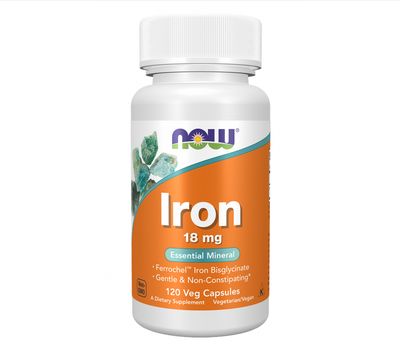
- Iron: GLP-1 medications may reduce iron absorption, making supplementation necessary for some to prevent anemia.
- Omega-3 Fatty Acids (Fish Oil): Supports heart health, reduces inflammation, and may improve insulin sensitivity
You May Also Like
Display prices in:USD